

America at 250
The Civic Discourse Project (2025-2026)
The semiquincentennial of the United States prompts both a look back at the Declaration of Independence in 1776 and reflections on what the anniversary means today. In declaring independence from Britain, the American Founders staked their “lives, fortunes, and sacred honor” on upholding self-government. Their bet on resistance carried formidable risks as the War for Independence would show. Fighting continued nearly seven years until the pivotal victory at Yorktown and formal recognition of the United States only came later with Treaty of Paris. Independence won still had to be maintained against threats foreign and domestic. So how has the Founders’ gamble turned out from our perspective 250 years later? That question will guide our program for the upcoming year from events commemorating Constitution Day and the Martin Luther King holiday through other events including a Spring Conference on American Independence and the World.
Previous seasons of the Civic Discourse Project

2025-2026: America at 250
The semiquincentennial of the United States prompts both a look back at the Declaration of Independence in 1776 and reflections on what the anniversary means today. In declaring independence from Britain, the American Founders staked their “lives, fortunes, and sacred honor” on upholding self-government. Their bet on resistance carried formidable risks as the War for Independence would show. Fighting continued nearly seven years until the pivotal victory at Yorktown and formal recognition of the United States only came later with Treaty of Paris. Independence won still had to be maintained against threats foreign and domestic. So how has the Founders’ gamble turned out from our perspective 250 years later?

2024-2025: Sustaining American Political Order in History and Practice
Beyond contentious debates in the United States today and unrest overseas lies the challenge of upholding a legitimate public order under increasing strain. The question reaches beyond national borders to encompass norms and institutions governing international relations. Even as political order at home and abroad has become a growing concern over recent years, the subject also frames important historical episodes including the American Revolution. Harvard political scientist Samuel Huntington rightly described a legitimate public order as vital to a government being able to govern effectively. The creation of public order—and upholding it under stress—will be the 2024-25 Civic Discourse Project theme as we look both to current issues and the 250th anniversary of the American Founding.
2023-2024: Civics, Patriotism, and America's Prospects
The 2023-24 Civic Discourse Project series addressed the potentially unhealthy civic culture in America. How can there be “reflective patriotism” in the 21st century as Tocqueville observed amongst American citizens in the 19th century – loving America, grateful for America, but simultaneously debating on what American principles mean with fellow citizens and the government? Civic education is one solution that schools and elite institutions can improve upon to bring a new kind of nation, grounded in ideals and laws.

2022-23: Ideological Conformity on Campus and in American Society
In the 2022-23 Civic Discourse Project lecture series, we invite you to reflect on the status of open dialogue, dissent, and the pursuit of knowledge today in universities and American society. Throughout the series, we will discuss whether there is room for disagreement and ideological differences in the arts, the media, business, and the academic environment today.
2021-2022: Renewing America's Civic Compact
Can Americans find a path on which we can move together with a sense of purpose to rebuild the public and private institutions through which we sustain our civic, communal, and professional lives? How can we engage civilly amidst competing perspectives in the face of the many trials we face in politics and governance, at home and abroad? With these questions in mind, the 2021-2022 Civic Discourse Project offered an assessment of what the challenges are to American civic life and its institutions—including the university—and discussed how to rebuild the institutions and unity of our civil society.
2020-2021: Race, Justice, and Leadership in America
In response to Arizona State University President Michael Crow's call to address recent events across America and the civic crisis of conscience they provoked, the School of Civic and Economic Thought and Leadership proposes to lead a program of discussion, learning, and action for a renewal of our common pledge to respect and protect the equal rights of all Americans to life, liberty, and the pursuit of happiness. To this end, the theme of this year's "The Civic Discourse Project" will address Race, Justice, and Leadership in America in a virtual series.
2019-2020: Citizenship and Civic Leadership in America
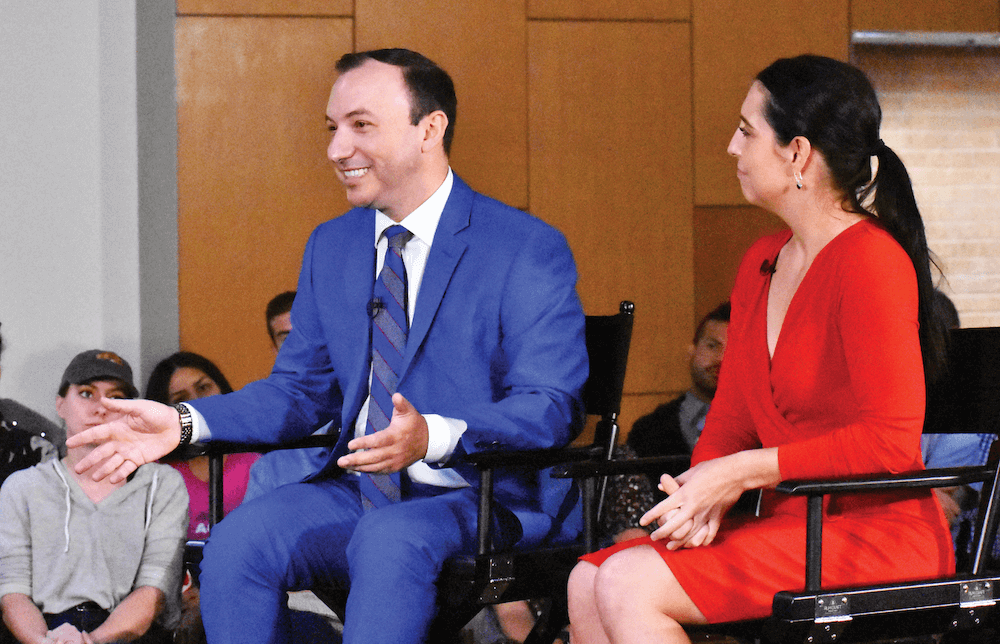
Mark Twain once said that “[c]itizenship is what makes a republic.” The primary purpose of civic education, as envisioned by the Founders, was to instill in our population the civic virtues, basic principles and practices of citizenship that would sustain a republic. What are the characteristics, advantages, duties, and responsibilities of a citizen today? Speakers include Robert Putnam, Yascha Mounk, David Leonhardt, Rich Lowry, Ramesh Ponnuru, and Shikha Dalmia.
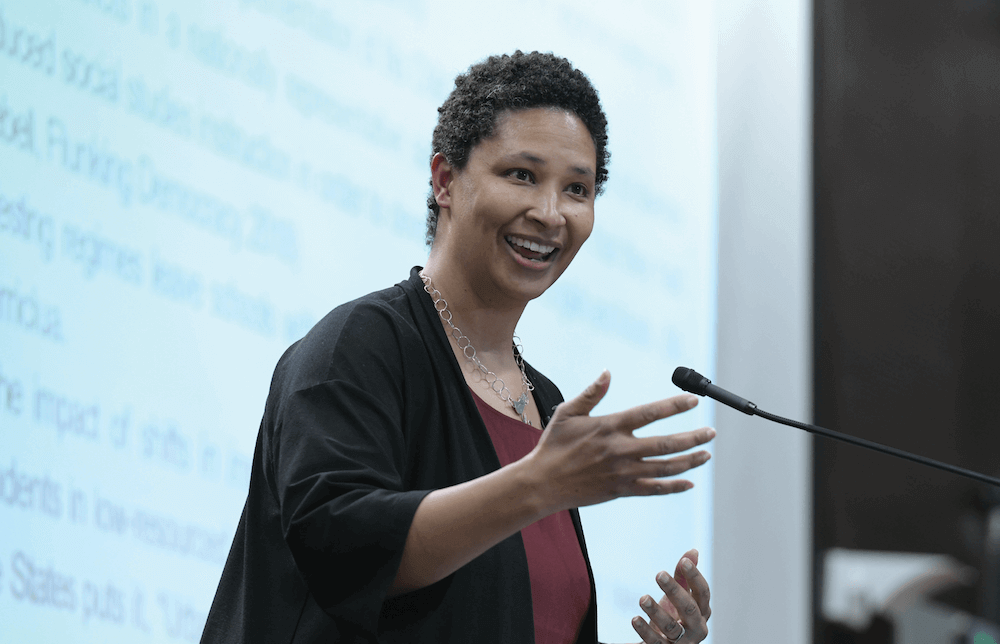
2018-2019: Polarization and Civil Disagreement: Confronting America's Civic Crisis
Political and intellectual polarization are a significant contributing factor to America’s civic crisis. By providing forums for civil disagreement, we hope to engage in the intellectual and civic work necessary to overcome the political divide and to renew and enhance America’s capacity for self-governance. Speakers include Jonah Goldberg, Arthur Brooks, and Kristen Soltis Anderson.
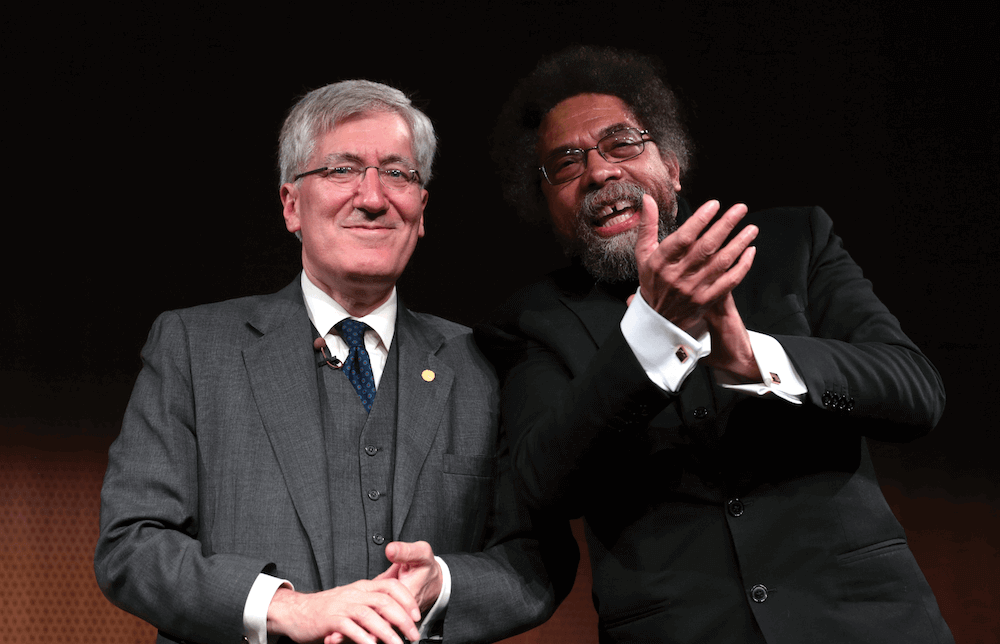
2017-2018: Free Speech and Intellectual Diversity in Higher Education and American Society
The school's inaugural lecture series took on the theme of free speech and intellectual diversity on college campuses and in American society as a whole. The school assembled high profile speakers from a range of viewpoints to discuss the meaning of intellectual diversity in education; the new challenges facing freedom of discourse; and the implications of this campus crisis for America’s civic order. Speakers include Jonathan Haidt, Steven Pinker, Allison Stanger, and Harvey Mansfield.